
Accueil » The Benefits of TOP » Stress and emotion management
Managing stress and emotions means successfully finding the right balance between what a situation demands of us and the resources we have available. When faced with pressure or an unexpected event, the body and mind react spontaneously: the heart races, muscles tense, thoughts spiral, emotions rise, or the opposite occurs.
These reactions can be useful if channeled, but they become a hindrance when they overwhelm us.
TOP® offers simple and practical tools to learn how to identify, understand, and adjust these reactions. Through breathing, relaxation, mental imagery, and internal dialogue, and with our practical/effective tools, everyone can regain calm, clarity, and decision-making ability, even in the most tense moments.
In reality, managing one’s stress and emotions does not mean erasing them or intellectually accepting them; rather, it involves transforming them into levers that help us gradually perform better.
Controlled breathing is at the heart of TOP®. By modulating the rhythm and depth of breath, it allows direct action on the balance of body and mind.
Depending on the situation, they can soothe by reducing stress, stabilize alertness to maintain concentration, or energize the body before an action.
Easy to practice anywhere, anytime, they offer true autonomy to adjust one’s internal state. They thus become a valuable link between psychological and physiological balance, and therefore mental effectiveness.
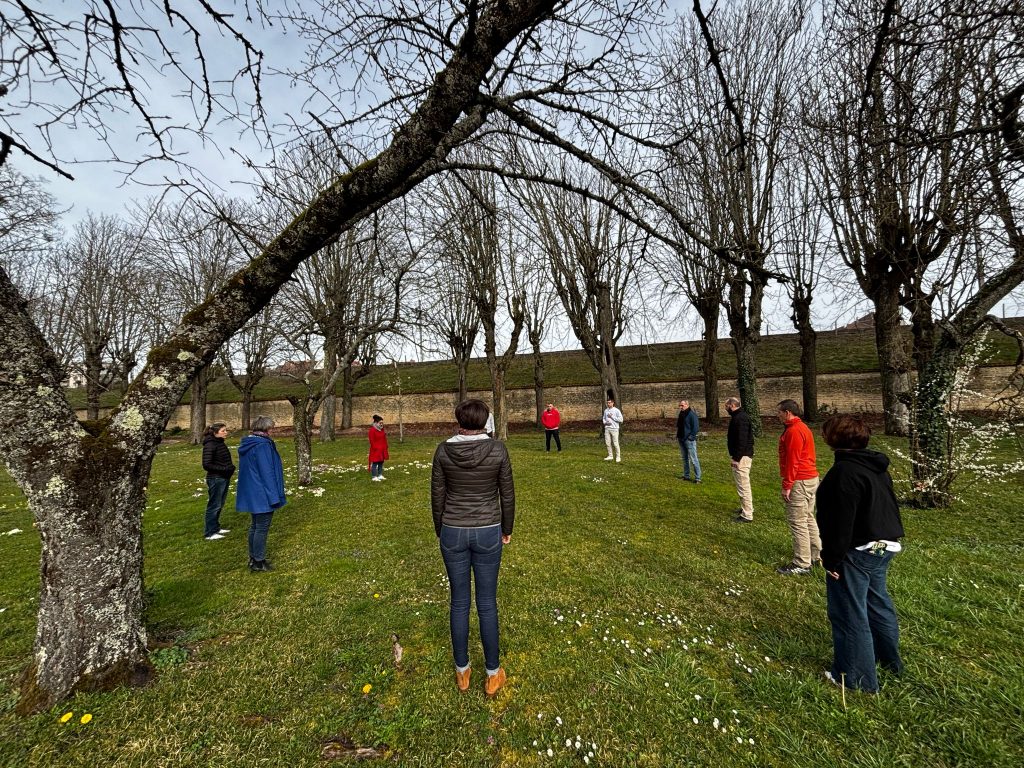
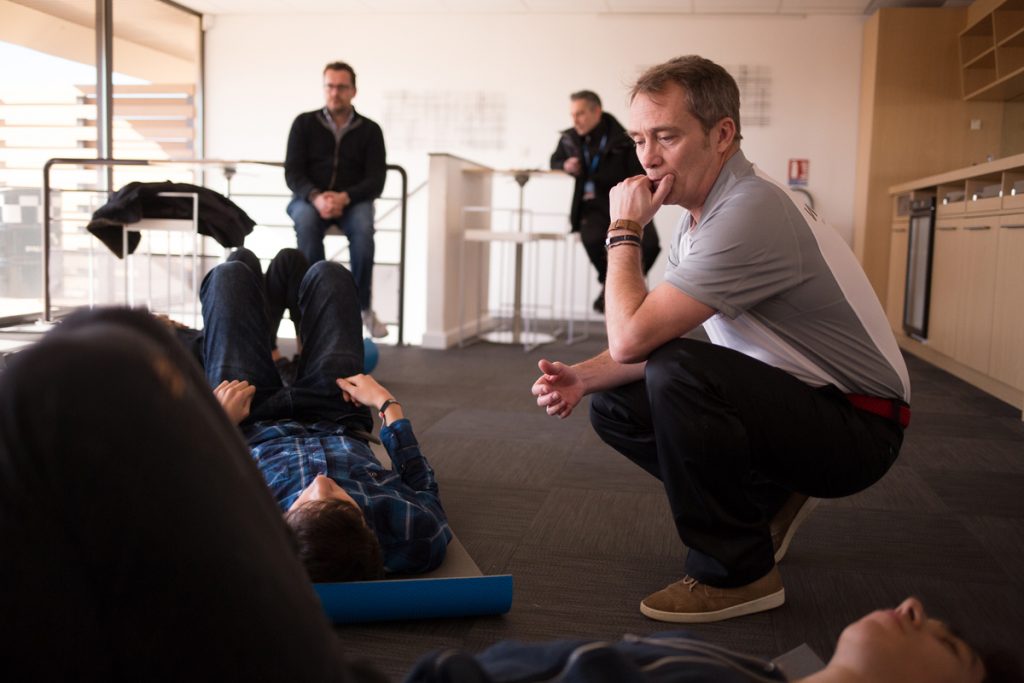
Relaxation techniques aim to establish deep and lasting release, gradually freeing accumulated physical and psychological tensions.
As true recovery gateways, they help to restore a solid inner balance.
Practiced regularly, they improve sleep quality, reduce fatigue, and prevent burnout.
Adaptable to available time, they can take the form of a few-minute break or a longer session.
Accessible to all, they become essential support for preserving well-being and effectiveness, while strengthening resilience in the face of life’s demands.
Relaxation imagery involves mentally recreating a pleasant place or experience, engaging all five senses.
Closing one’s eyes for a few moments and immersing oneself in a calming setting is enough to feel immediate release.
Just a few minutes of practice can already reduce anxiety, rebalance the nervous system, and rejuvenate oneself.
This technique is particularly well-suited for taking a regenerative break in the middle of a busy day and quickly regaining inner serenity.

SAR is a technique based on Pavlov’s conditioned reflex to cope with stress and remain in the action activation zone.
It offers a quick response to distractions or rising stress. Its implementation requires regular training so that it becomes an effective reflex in critical moments.
It can be a discreet movement, a keyword, or a specific breathing technique, making it usable in any professional, academic, or athletic context.
It becomes a valuable ally for maintaining optimal concentration.
Regulation of Activation Level (RNA) is a technique that allows one to maintain or very quickly return to the ideal zone for performing.
It allows for the regulation of energetic and cognitive expenditure throughout an activity. It helps manage stress and emotion, thereby nurturing motivation.
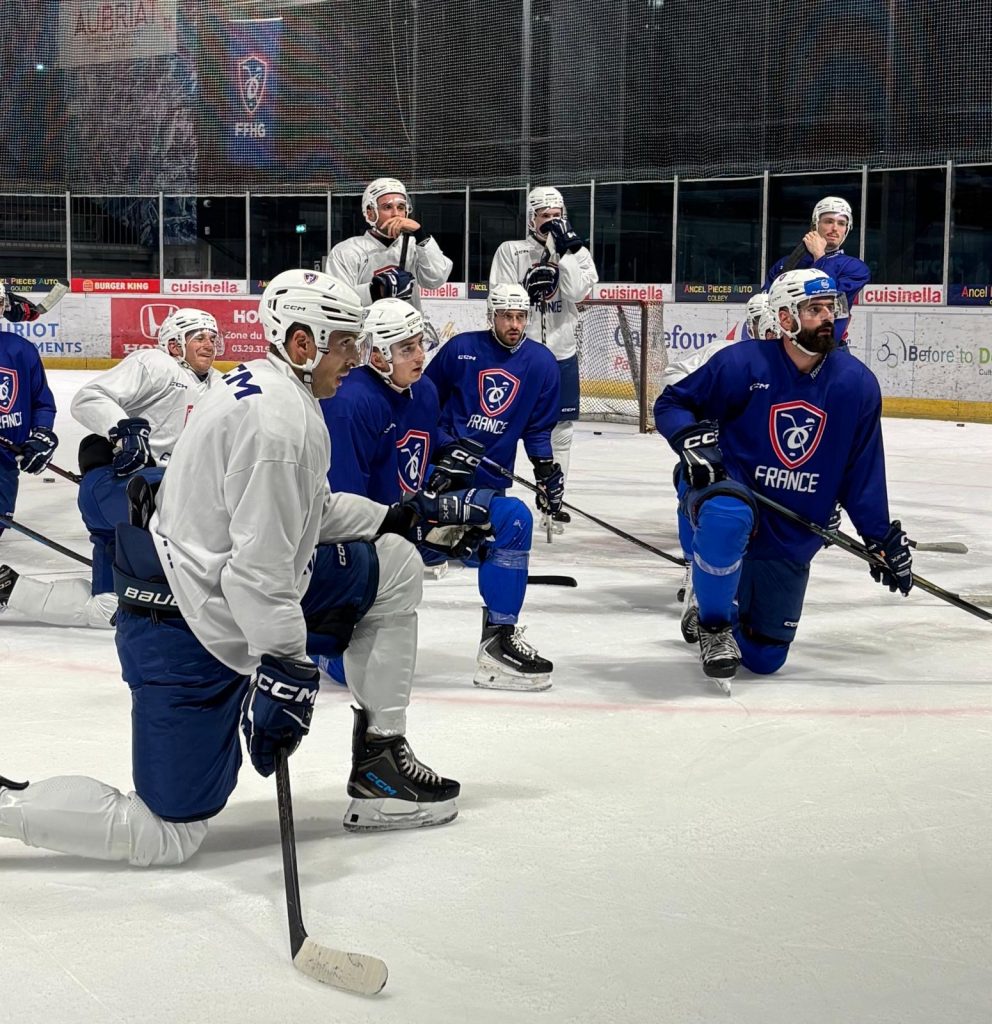
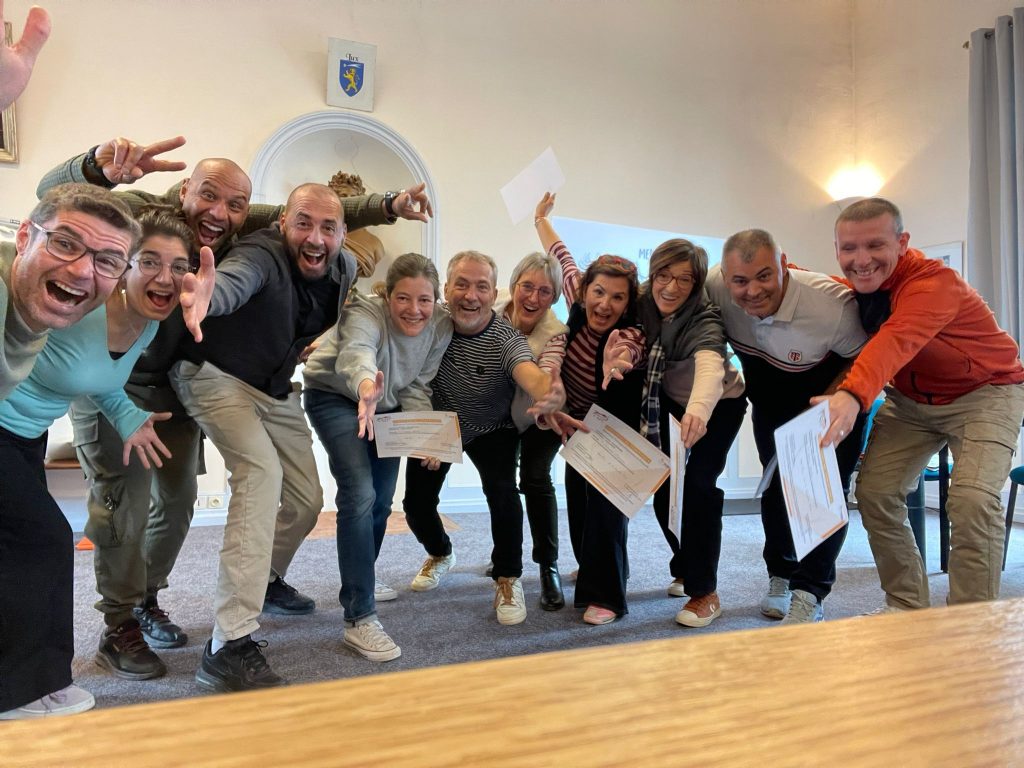
Positive Reinforcement involves reliving, step by step, an overcome difficulty, a past event that was a source of satisfaction or success, for which one invested a great deal and which seemed to be of very high stakes.
Rather than focusing solely on what is lacking, it is about valuing each step taken, even a minimal one, as a victory that contributes to the overall journey.
This habit fosters resilience and helps one bounce back better from difficulties.
Positive Reinforcement is a strategy that nurtures motivation, refines behaviors, and sustains the desire to move forward. It thus becomes an essential resource for maintaining motivation.
MPS allows one to approach any situation clearly and with full command of one’s abilities to give one’s best.
It allows for setting clear objectives and anticipating a positive vision of success.
By visualizing a favorable scenario, the brain is conditioned to mobilize the necessary resources to achieve this outcome.
MPS must also allow one to project beyond the objective, in order to prepare for what comes next and broaden one’s perspectives. Used regularly, it strengthens motivation, develops a sense of self-efficacy, and helps stay on track even when obstacles arise.
A true mental compass, MPS is an indispensable practice that fosters self-confidence.
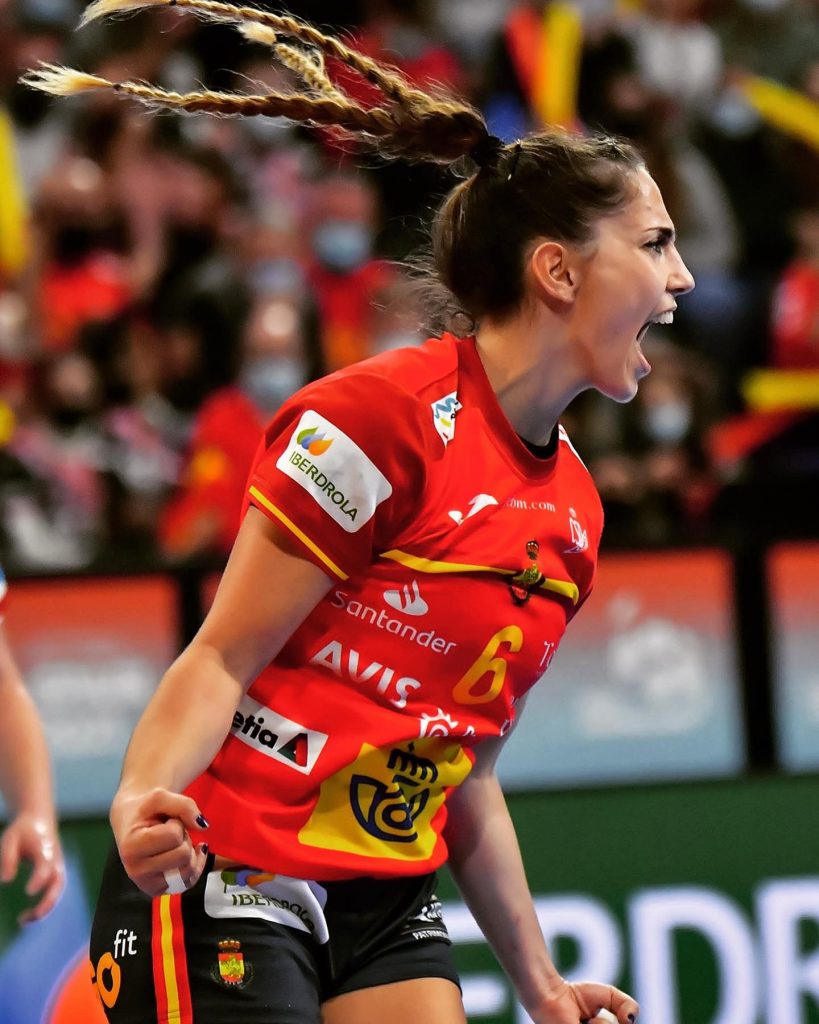


Developed within the armed forces, Potential Optimization Techniques (TOP®) are now being disseminated in the civilian world. They are for everyone, whether individuals (children, managers, employees, etc.) or professionals (healthcare workers, athletes, HR, educators, etc.). TOP® constitute a customizable toolkit, containing pedagogical techniques that can be used autonomously and automatically, enabling adaptation to contextual constraints and maximizing one’s resources in all situations.
Participants will be able to integrate the TOP® method into their daily, professional, and personal lives, facilitate the expression of their potential, and adapt to new, complex, or stressful situations.
Prerequisites: No prerequisites are required to access the initial TOP training.
Participants will be able to integrate the TOP® method into their practice, provide individual or collective support, and potentially organize and lead introductory TOP® training sessions.
Prerequisites: Must have fully completed the Initial FI TOP Training within two years prior to the start of the TOP Practitioner Training.
Upon completion of the training, participants will master group facilitation techniques, identify postures that promote active engagement, and design impactful educational materials and activities.
Prerequisites: Must be a TOP practitioner or in the process of becoming one.
Upon completion of the training, participants will be able to competently continue their TOP® activities through reflection on their practices, skill development, and constructive dialogue with a supervisor.
Prerequisites: It will be necessary to have started individual supervision with the supervisor.
Participants will be able to integrate the TOP® method into their daily, professional, and personal lives, facilitate the expression of their potential, and adapt to new, complex, or stressful situations.
Prerequisites: No prerequisites are required to access the initial TOP training.
Participants will be able to integrate the TOP® method into their practice, provide individual or collective support, and potentially organize and lead introductory TOP® training sessions.
Prerequisites: Must have fully completed the Initial FI TOP Training within two years prior to the start of the TOP Practitioner Training.
Upon completion of the training, participants will master group facilitation techniques, identify postures that promote active engagement, and design impactful educational materials and activities.
Prerequisites: Must be a TOP practitioner or in the process of becoming one.
Lorem ipsum dolor sit amet, consectetur adipiscing elit. Ut elit tellus, luctus nec ullamcorper mattis, pulvinar dapibus leo.
Lorem ipsum dolor sit amet, consectetur adipiscing elit. Ut elit tellus, luctus nec ullamcorper mattis, pulvinar dapibus leo.
EXCELLENTTrustindex vérifie que la source originale de l'avis est Google. Un Expert TOP expérimenté. Un accueil chaleureux et une équipe sympathique.Publié surTrustindex vérifie que la source originale de l'avis est Google. Quand j'ai commencé à m'interresser à faire une formation TOP, j'avais plusieurs choix de formateurs possibles. Mais quand j'ai rencontré Laurent pour la première fois, j'ai senti que j'étais là où je devais être. Son écoute, sa pédagogie, son empathie, son expérience m'ont totalement conquis. Par la suite, j'ai fait d'autres formations avec lui pour me perfectionner, toujours aussi enthousiaste d'apprendre et cela s'est passé comme dans ma formation initiale : merveilleux d'humanité et d'apprentissage. Alors si vous hésitiez encore à choisir une excellente formation, n'hésitez plus...Publié surTrustindex vérifie que la source originale de l'avis est Google. Je recommande vivement les formations de TOP CONSULTING , car l'approche centrée sur l'humain , fait toute la différence . Les formateurs se distinguent par leur bienveillance , leur écoute et leur capacité à transmettre des outils concrets, accessibles et puissants. Ils créent un cadre sécurisant qui permet à chacun de développer pleinement ses ressources, tant sur le plan personnel que professionnel . C'est une formation riche, humaine et profondément transformatrice, que je recommande sans hésiter à toute personne souhaitant mieux se connaître et optimiser ses capacités. Jean ChristophePublié surTrustindex vérifie que la source originale de l'avis est Google. Des formations de qualité, riches de sens et d'humanité. Je recommande vivement cette expérience incroyable auprès d'une équipe géniale. Merci, merci et encore merci😘Publié surTrustindex vérifie que la source originale de l'avis est Google. Une expérience humaine incroyable,les TOP ont changé mon approche de la viePublié surTrustindex vérifie que la source originale de l'avis est Google. En février 2022, j’avais déjà partagé mon avis sur TOP Consulting et sur les bénéfices incroyables des Techniques d’Optimisation du Potentiel®. Aujourd’hui, je continue de revenir régulièrement pour mes supervisions et profiter de cette ambiance toujours bienveillante. Je ne peux que recommander cette formation. L’approche est à la fois concrète et humaine : on repart avec des outils pratiques pour mieux gérer le stress, développer ses ressources et renforcer sa performance durablement. L’équipe est professionnelle, à l’écoute et vraiment bienveillante. Une expérience enrichissante qui fait évoluer autant sur le plan personnel que professionnel !Publié surTrustindex vérifie que la source originale de l'avis est Google. Je confirme. Top Consulting est un artisan de l'humain humaniste et humanisant. Mais pas d'Uma Thurman. Dommage ;)Publié surTrustindex vérifie que la source originale de l'avis est Google. Je dis toujours autour de moi, qu'il y a un avant et un après quand on a rencontré Laurent Sauriat et les personnes de l'équipe de TOP consulting. J'ai été formé toute l'équipe en février 2020 puis j'ai continué mon parcours les années suivantes. Je viens faire mes supervisions TOP avec toute l'équipe. Le lieu est magique, inspirant. La rivière un lieu de partages, de challenges. Je vous recommande vivement de venir découvrir les TOP Ici !! Ressourcement et transformation garantis.Publié surTrustindex vérifie que la source originale de l'avis est Google. J'ai suivi pas moins de 3 formations avec TOP consulting :-) et je dois dire que la qualité des intervenants est exceptionnelle. Au delà des connaissances acquises, j'ai rencontré des personnes de grande valeur, animées par la passion de l'humain, de l'échange et de la rencontre. Mention spéciale à Laurent Sauriat qui m'a accueilli à bras ouvert avec mes roulettes sans se poser de questions.Publié surTrustindex vérifie que la source originale de l'avis est Google. Un réel merci à Laurent, la méthode TOP. Cela m'a aidé à changer ma façon de voir les choses. Grâce aux conseils et aux exercices, l'application claire de la méthode, je partage aujourd'hui en tant que praticien. Une ressource précieuse que je recommande vivement !
Discover how TOPs can transform your daily life and your performance.
Contact us to schedule your training!